

Blog
Pilea Peperomioides – An Honest and Simple Care Guide


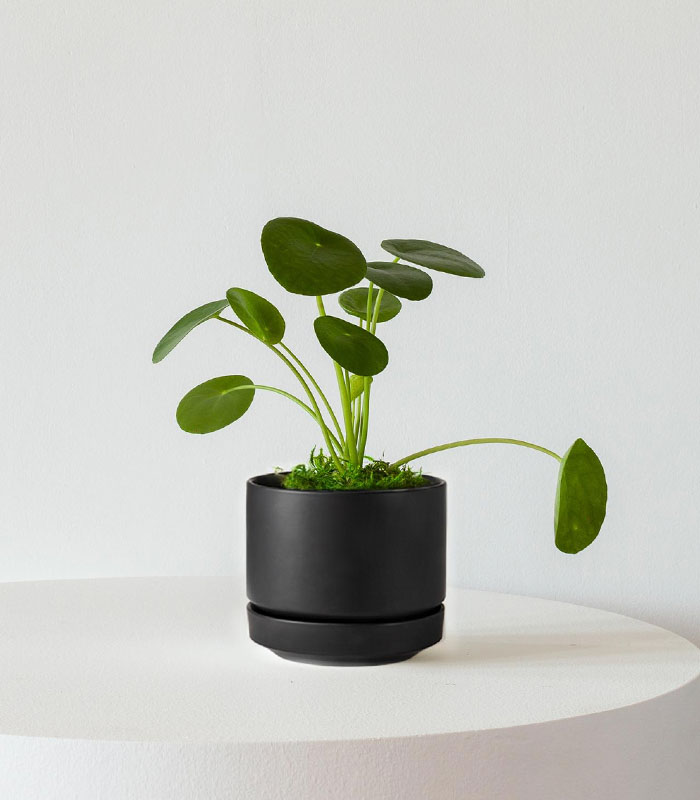
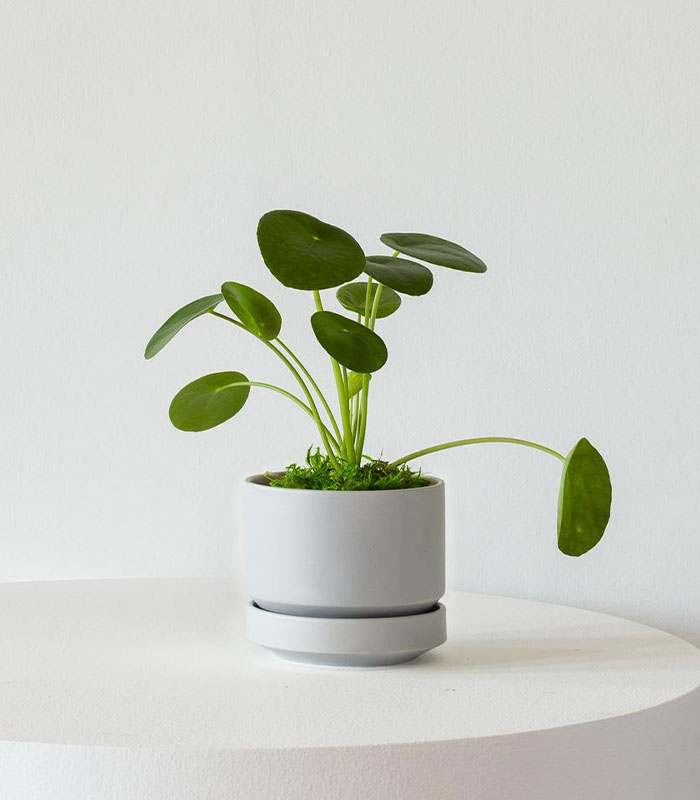
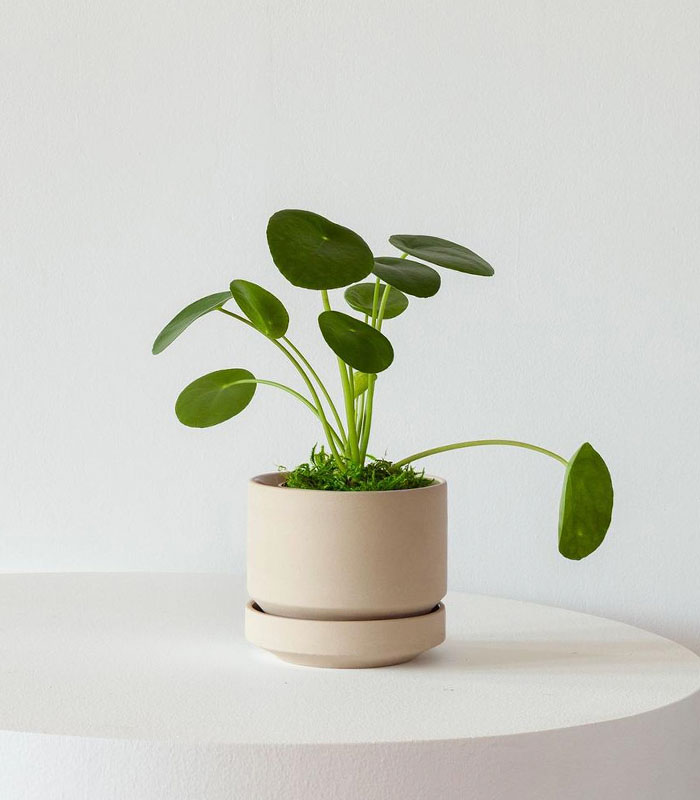
If you’ve ever noticed this plant in someone’s home, the first thing that probably caught your eye was its round, coin-shaped leaves and there beautiful Structure. They look clean, balanced, and almost perfectly designed. It’s one of those plants that doesn’t try too hard but still makes a space feel fresh and put together.
Pilea Peperomioides has become popular not just because it looks good, but because it feels manageable. It’s not dramatic. It doesn’t demand constant attention. Even if you’re someone who forgets watering sometimes, this plant usually adjusts as long as you don’t overdo it.
What makes it special is its simplicity. It grows upright, stays compact, and doesn’t spread wildly. That’s why it works so well in small apartments, on work desks, bedside tables, or shelves. It adds greenery without taking over the room.
Another reason people feel connected to this plant is that it grows baby plants over time. You start with one, and slowly it multiplies. There’s something satisfying about watching it grow and knowing you’re doing something right.
At its core, this plant just needs balance. Not too much water. Not too much harsh sun. Not too many sudden changes. Once you understand that, caring for it feels easy and natural rather than complicated.
And honestly, that’s what most of us want from a houseplant. Something beautiful, simple, and peaceful to grow.
Light – Not Too Harsh, Not Too Dark
Pilea likes bright light, but not direct sunlight hitting its leaves. Think of a spot near a window where light comes in softly. Morning light is perfect. Harsh afternoon sun can leave brown marks on the leaves.
If you notice your plant leaning toward one side, don’t panic. It’s just trying to reach the light. Rotate the pot once a week so it grows evenly.
In low light, it will survive, but growth may slow down and leaves might stay smaller
Watering – The Part Most People Get Wrong
Overwatering is the biggest mistake with this plant.
Before watering, touch the soil. If the top layer feels dry, then water it properly. If it still feels slightly moist, wait another day or two.
Make sure your pot has drainage holes. Water should flow out easily. Letting the plant sit in water can cause root rot, and then leaves start turning yellow.
In summer, you’ll water more often. In winter, much less. Just observe your plant and adjust.
Soil – Keep It Light and Airy
When it comes to soil, Pilea peperomioides really prefers something light and breathable. Think of soil that doesn’t feel heavy or sticky after watering. If the soil stays wet for too long, the roots can start struggling, and that’s when problems begin.
A simple indoor potting mix works perfectly fine. You don’t need anything fancy. If you want to make it better, mix in a little perlite or coarse sand. This helps water drain out easily and keeps air moving around the roots. Good drainage is honestly more important than expensive soil.
Try to avoid dense garden soil. It holds too much moisture and can suffocate the roots. The goal is balance. The soil should hold enough water to keep the plant hydrated but dry out at a reasonable pace.
If you notice water sitting on top of the soil for a long time after watering, that’s usually a sign the mix is too compact. In that case, it’s better to repot with a lighter
Temperature and Placement
When it comes to temperature, Pilea peperomioides is pretty comfortable in normal indoor conditions. If you’re comfortable in the room, chances are your plant is too. A range between 18°C to 24°C works really well for steady growth.
What it doesn’t like is sudden change. Keep it away from direct blasts of air from an AC, cooler, or heater. Constant hot or cold air can stress the plant, and you might notice drooping or dull leaves over time.
For placement, choose a bright spot with indirect light. Near a window with soft morning light is ideal. If the sunlight feels too strong on your skin, it’s probably too strong for the plant as well. A thin curtain can help filter harsh light.
Try not to keep moving it around too often. Once it adjusts to a spot, it prefers consistency. Plants take time to settle, and frequent shifting can slow their growth.
Feeding the Plant
When it comes to feeding, Pilea peperomioides doesn’t need anything complicated. It’s not a heavy feeder. A little support during its growing season is more than enough.
In spring and summer, when you notice new leaves coming in, you can give it a mild liquid fertilizer once a month. Make sure it’s diluted. Strong fertilizer can actually harm the roots instead of helping them. Think of it as giving the plant a gentle boost, not a heavy meal.
During autumn and winter, you can slow down or completely stop feeding. The plant naturally grows slower in cooler months, so it doesn’t need extra nutrients then.
If you ever see salt buildup on the top of the soil, it may be from too much fertilizer. In that case, flush the soil with clean water and reduce feeding next time.
How to Propagate Pilea Peperomioides
One of the sweetest things about Pilea Peperomioides is that it doesn’t stay alone for long. If it’s healthy and happy, you’ll start noticing tiny baby plants growing around the base. These are often called “pups,” and they make propagation really simple.
You don’t need any special tools or expert skills. Just a little patience.
First, wait until the baby plant is at least 2 to 3 inches tall and has a few small leaves of its own. If you try to separate it too early, it may struggle to survive. Once it looks strong enough, gently move the soil aside to see where it’s connected to the mother plant.
Using clean scissors or a small knife, carefully cut the baby plant away, making sure it has a bit of root attached. Try not to disturb the main plant too much.
After that, plant the baby in a small pot with light, well-draining soil. Water it lightly and place it in bright, indirect light. Don’t overwater at this stage. The roots are still adjusting.
Within a few weeks, you’ll notice new growth, and that’s when you know it has settled in.
Common Issues (And Simple Fixes)
Even though Pilea Peperomioides
is considered easy to care for, small problems can still show up. The good thing is, most of them are simple to fix once you understand what the plant is trying to tell you.
Yellow leaves are usually the first sign something is off. In most cases, it’s because of overwatering. If the soil stays wet for too long, the roots can’t breathe properly. Let the soil dry out a bit more between watering and make sure your pot has proper drainage.
Drooping leaves can mean either too much water or too little. Check the soil before guessing. If it’s soggy, reduce watering. If it’s very dry, give the plant a thorough drink and observe how it responds.
Curling leaves often point to lighting issues. If the plant is sitting in a dim corner, try moving it to a brighter spot with indirect sunlight. Too much harsh sun can also stress it, so balance is important.
Brown spots are usually caused by direct sunlight burning the leaves. Shift the plant slightly away from the window or use a light curtain to soften the sun.