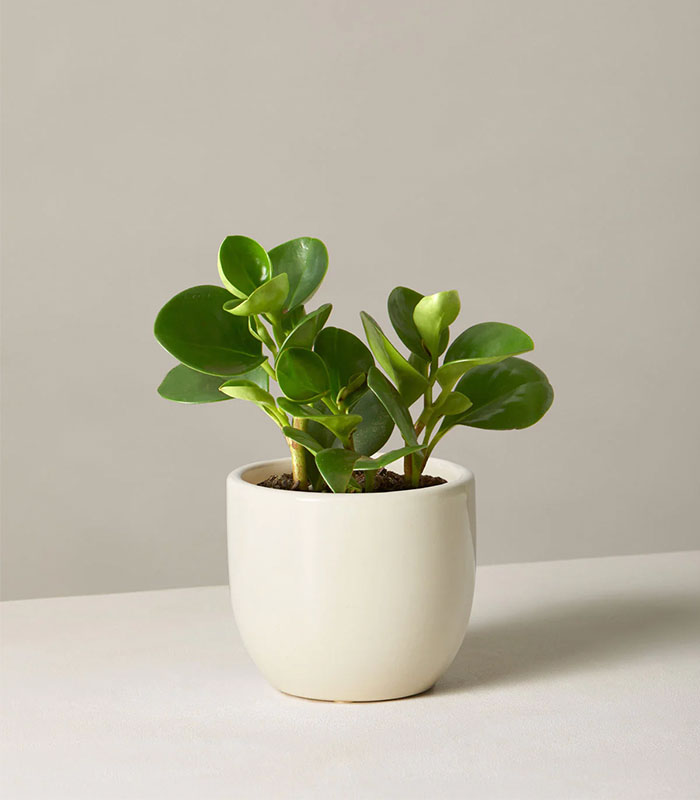
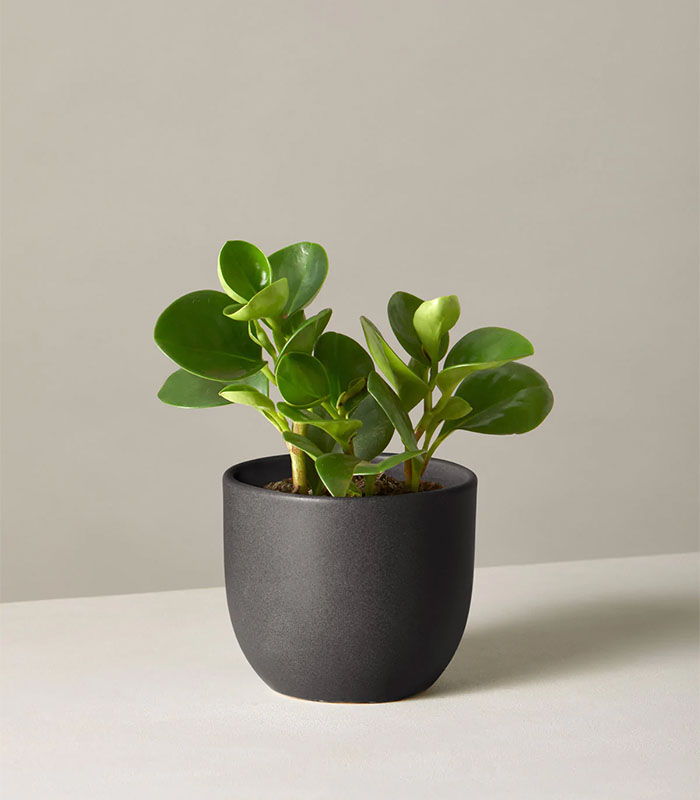
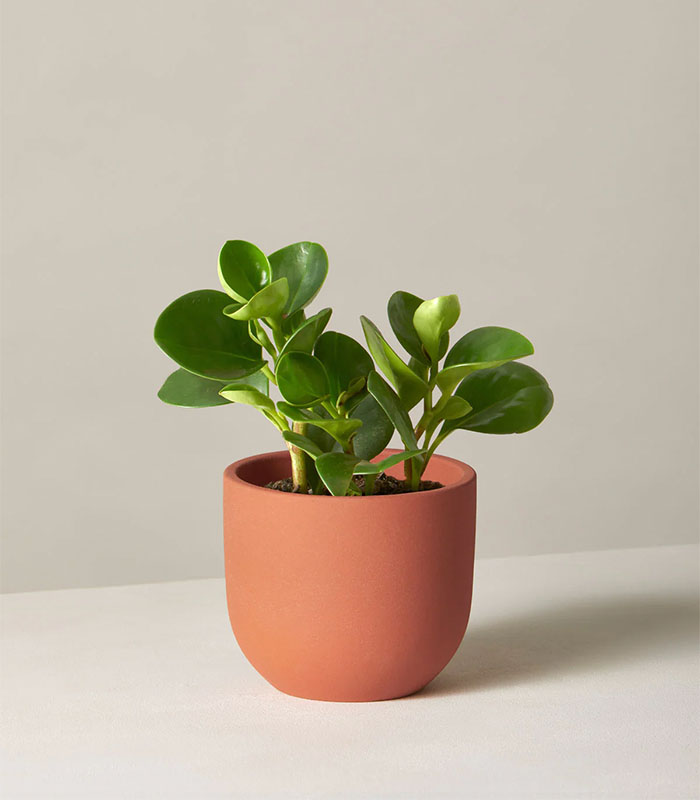
Jade Plant: A Beautiful and Easy Plant for Every Home
The jade plant is one of the most popular indoor plants, and for good reason. It is attractive, long-lasting, and very easy to care for. Many people choose the jade plant as their first indoor plant because it does not need much attention and still grows well. With its thick green leaves and strong stems, the jade plant adds a calm and fresh feel to any home or office.
The jade plant is a type of succulent. This means it stores water in its leaves, which makes it drought-tolerant and low maintenance. Its leaves are round, smooth, and glossy, giving the plant a healthy and rich look. Over time, the jade plant can grow into a small tree-like shape, making it both decorative and long-lasting.
Why Jade Plant Is So Popular
One reason people love the jade plant is how easy it is to care for. It does not need daily watering and can survive well indoors. Many people also believe that the jade plant brings good luck, prosperity, and positive energy. Whether you believe in these ideas or not, the jade plant is still a great choice for its beauty and simplicity.
Ideal Light for Jade Plant
Jade plants grow best in bright, indirect sunlight. They can handle some direct sunlight in the morning, but strong afternoon sun may damage the leaves. If the plant does not get enough light, its growth becomes slow and the leaves may lose their deep green color.
Place the jade plant near a window where it can get good natural light. If sunlight is limited, the plant will still survive, but it may grow more slowly.
How Often Should You Water Jade Plant?
Overwatering is the most common mistake made with jade plants. Because the plant stores water in its leaves, it does not need frequent watering. Too much water can cause root rot and leaf drop.
Water the jade plant only when the soil is completely dry. In summer, watering once every 7–10 days is usually enough. In winter, watering once every 2–3 weeks works well. Always use a pot with drainage holes to allow excess water to escape.