

Blog
N’Joy Pothos


N’Joy Pothos (Epipremnum aureum ‘N’Joy’)
N’Joy Pothos is a beautiful and easy-to-grow indoor plant that is loved for its striking green and white leaves. It belongs to the Epipremnum aureum family, which is known for being low maintenance and beginner friendly. The leaves of N’Joy Pothos have a unique variegation pattern where deep green sections mix with creamy white areas. This contrast gives the plant a fresh, decorative look that fits well in modern homes and offices.
One of the main reasons people like N’Joy Pothos is its compact and tidy growth. Compared to many other pothos varieties, its leaves are slightly smaller and the variegation is more defined. The plant grows as a trailing vine, which means the stems slowly extend and can hang beautifully from shelves, hanging planters, or high plant stands.
Appearance
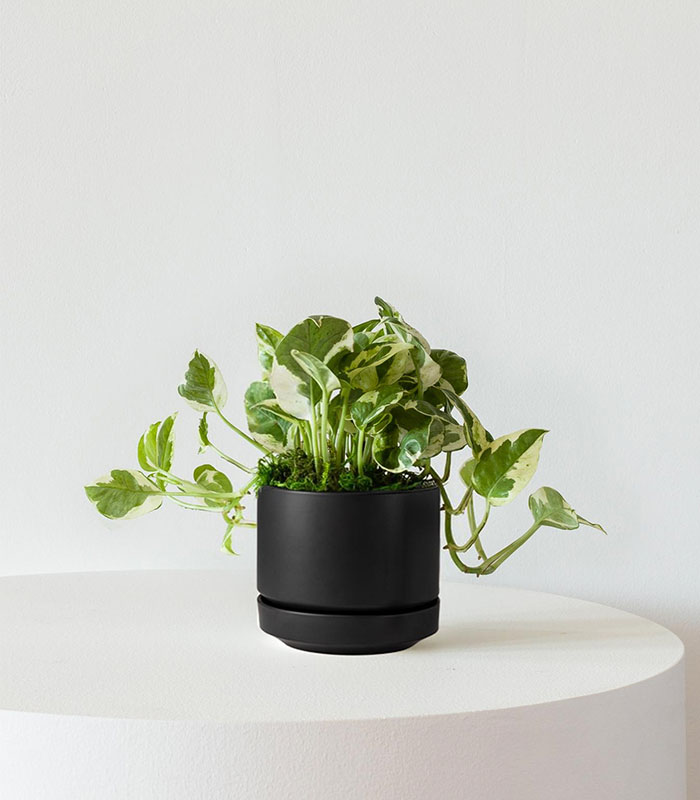
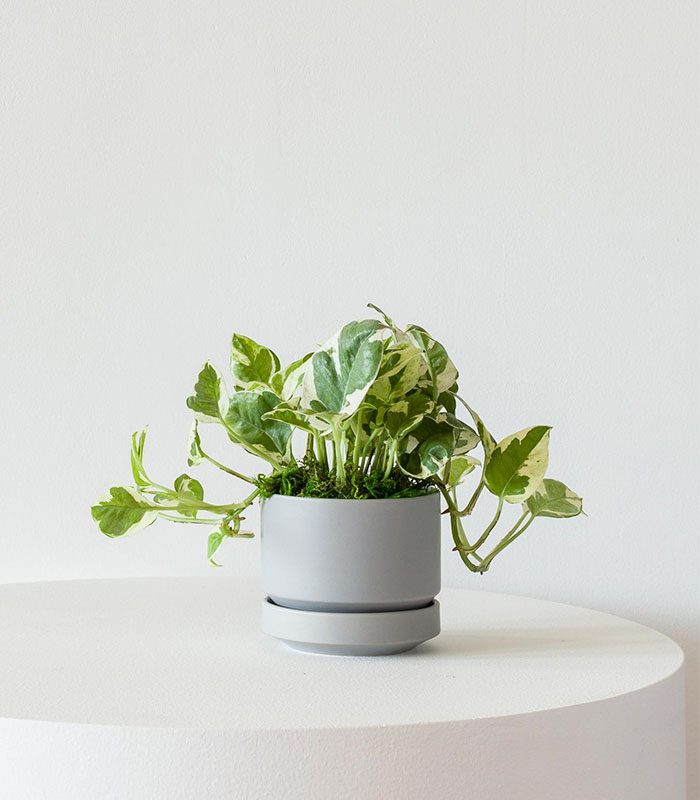
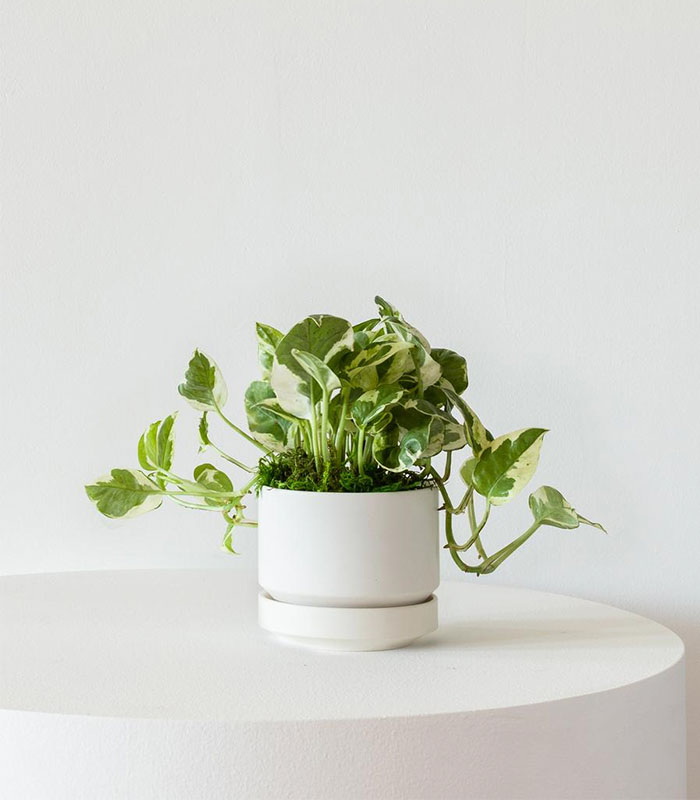
N’Joy Pothos is admired for its clean and eye-catching foliage. The plant has small to medium sized, heart-shaped leaves that grow on thin trailing vines. What makes it stand out is the beautiful mix of deep green and creamy white colors on each leaf. The variegation usually appears in clear patches, where the green and white areas are sharply separated instead of blending together.
The white sections often look bright and smooth, giving the plant a fresh and elegant appearance. Because of this contrast, the leaves almost look hand painted. Each leaf can have a slightly different pattern, which makes the plant feel unique and interesting to look at.
The vines grow in a trailing or cascading form. As the plant matures, the stems begin to spill over the edges of the pot, making it perfect for hanging baskets, shelves, or plant stands. Even when the plant is young, its compact growth keeps it looking neat and decorative.
Light Requirements
N’Joy Pothos grows best in bright, indirect light. This type of lighting helps the plant maintain its beautiful green and creamy white leaf patterns. When the plant receives enough light, the variegation stays clear and vibrant, which is one of the main reasons people love this variety.
A spot near a window where the plant can receive filtered sunlight is usually ideal. East or north facing windows often work well because they provide gentle light without being too harsh. The plant can also grow in medium light conditions, but the growth may become slower.
If N’Joy Pothos is kept in very low light for a long time, the leaves may start losing their white patterns and become mostly green. This happens because the plant produces more green pigment to help it absorb more light.
Direct sunlight should be avoided, especially strong afternoon sun. The lighter parts of the leaves are sensitive and can burn easily, which may cause brown or dry patches.
Watering
N’Joy Pothos prefers moderate watering and slightly dry soil between watering times. It is best to water the plant when the top 1–2 inches of soil feel dry to the touch.
When watering, give enough water so that it flows out from the drainage holes at the bottom of the pot. This helps the roots get proper moisture. Make sure excess water does not stay in the saucer, because constantly wet soil can lead to root rot.
Overwatering is a common problem with this plant and can cause yellow leaves. On the other hand, if the plant stays dry for too long, the leaves may droop or look dull. During warmer months the plant may need water more often, while in cooler seasons watering should be reduced
Temperature and Humidity
N’Joy Pothos grows comfortably in normal indoor temperatures, usually between 18°C and 30°C. It adapts well to regular household humidity and does not require special conditions. However, slightly humid air can help the plant stay healthy and vibrant.
It is best to keep the plant away from very cold drafts, heaters, or strong air conditioning.
Growth and Maintenance
The plant grows at a moderate speed. While it may not grow as fast as some other pothos varieties, this makes it easier to manage indoors. As the vines grow longer, they start to trail down naturally, creating a soft and decorative look.
Pruning can help keep the plant fuller and more compact. Cutting long stems encourages new growth. The cuttings can also be placed in water to grow roots, which makes propagation very simple.
Common Problems
N’Joy Pothos is generally an easy plant to care for, but sometimes small issues can appear if its growing conditions are not right.
Yellow leaves are one of the most common problems. This usually happens when the plant is overwatered or when the soil stays wet for too long. Improving drainage and allowing the soil to dry slightly between watering can help solve this issue.
Brown or dry edges on leaves can appear when the air is too dry or when the plant is not watered consistently. Making sure the plant receives regular watering and keeping it in normal indoor humidity usually helps.
Loss of variegation is another issue some people notice. When the plant does not get enough light, the white patterns on the leaves may fade and the leaves may turn more green. Moving the plant to a brighter spot with indirect light can restore its appearance over time.
Slow growth can happen if the plant is kept in very low light or if it is lacking nutrients. Providing better lighting and occasional feeding during the growing season can encourage healthier growth.